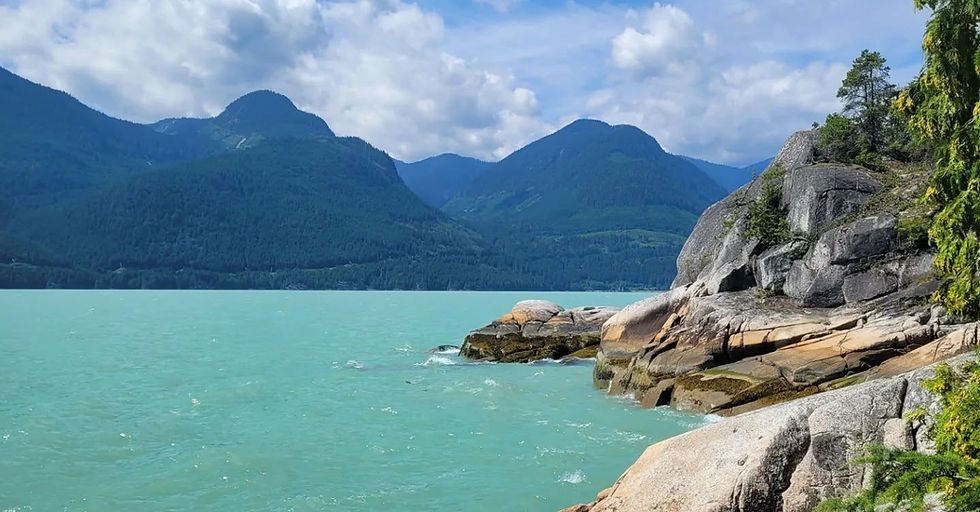
Welcome to Stories from the Sound
Stories from the Sound is a series of interviews with people who love, protect, and advocate for Atl'ka7stem, Howe Sound. With it, we face it's past, look to it's future, seek out the mysteries of its depths, and explore how its water connects us.
The structure of this project is as follows:
On the first of the month there will be a Story from the Sound article posted. These articles are interviews with experts in a specific field, locals who have witnessed incredible changes, historians who give us insight into the past and activists who ask what the future of the Howe Sound will look like.
If the topics we discuss here are of interest to you and you want to learn more, take the Deep Dive, a monthly updated recommendation for folks who want get more information ranging from books, museum exhibits, art pieces or videos all about the Howe Sound.
While we wait for the tide to come in, or for a new story to be posted, muck about in the Intertidal Zone. Biweekly short-form posts that zoom in on a certain aspect, whether it be a cool creature, concept, or something on this writer's mind.
This project was developed as part of the Young Leaders in Conservation Program with the BC Chapter of the Canadian Parks and Wilderness Society. Thank you for your continued guidance, and the opportunity to share the beauty and ecological importance of the Howe Sound.
For more information on CPAWSBC, check out their website: https://cpawsbc.org/
Stories from the Sound's Commitment
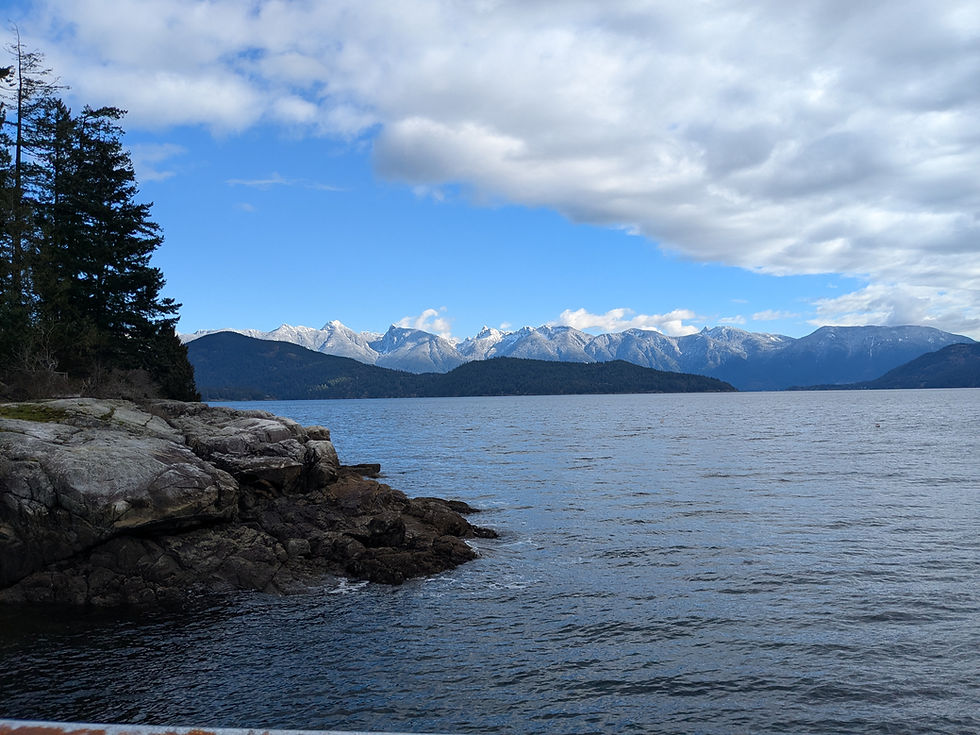
Stories are the ultimate way to connect us with place. I would like to acknowledge the erasure of story, culture, and language experienced by the Squamish Nation, whose lands I have the absolute privilege of calling home. Atl’ka7tsem is of the traditional, ancestral and unceded territory of the Squamish Nation, who without their continued stewardship, voice, and activism, we would never have seen life return to the waters of Atl’ka7tsem in the first place. If we want to move towards a world committed to environmental justice and stability, we must commit to one in which Indigenous justice, reconciliation, and the rights of the first peoples who have tended this land since time immemorial are realized. The two are one in the same.
As part of my commitment to decolonization and my understanding of the power behind place names, in this series, where I am able to find them, I will use the original names of the places I speak of, as well as the English names imposed later onto the land. As a lover of geography and history, using Indigenous place names gives us a better understanding of what was there, who was there, and what happened. It is by giving places this context that we are able to flesh out and develop a deeper understanding of the land we are on. If no attempt is made to recognize what these places are called, I would be doing a complete disservice to the story of this land and would be consciously participating in the myth that there was no history here until the first Europeans laid their eyes upon it. As I continue to learn, I welcome any knowledge of place names or history of Atl’ka7tsem, and thank you in advance for your grace as we actively work towards reconciliation in any way we can.
